

REDISCOVER HAPPINESS & JOY
Refresh Your Perspective
& Reclaim Your Life
Mental Wellness Sessions
Why and How?
-
Research shows that our Mental Wellness Sessions may help these MENTAL HEALTH conditions:
Refractory Depression
Bipolar Depression
Severe Depression
Treatment-resistant Depression
Post-partum Depression
PTSD
Anxiety
ADHD/OCD
And these CHRONIC PAIN conditions:
Migraines
Trigeminal Neuralgia
Fibromyalgia
Neuropathy
Complex Regional Pain Syndrome (CRPS)
Reflex Sympathetic Dystrophy (RSD)
-
If you suffer from one of the conditions listed, we ask you to contact us or schedule a consultation.
During your phone consultation, we will discuss your experience with depression, anxiety, PTSD and/or the other conditions that our Mental Wellness Sessions may help. We will review your medical and surgical history, allergies, medications and previous treatments for your mental health or pain conditions.
This screening will let us know if you have any contra-indications for treatment including acute mania, schizophrenia, unstable heart disease, untreated thyroid disease and glaucoma, and/or unstable high blood pressure.
If you are a good candidate, then we will schedule your sessions. After each session, we will review your experience and determine together the next steps in your treatment plan. Each patient has a unique Wellness Plan based on physician-patient communication and cooperation.
-
Research revealed that multiple infusions over a short period of time - INITIATION - yield the best results. We recommend 4 to 6 appointments, scheduled as 1 - 3 infusions per week over a 2 to 4 week period. We follow up after each infusion during Initiation and then monthly to monitor the effects of the Wellness Sessions.
These can be an emotional experience and “Mindset & Surrounding” is important. On the day of your Wellness Session, you enter a calm and soothing environment. You sit in a comfortable reclining chair and are offered disposable eye mask and noise cancelling headphones with several appropriate playlists. A clinic staff member is with you at all times, an important part of the process to support you and aid in your healing.
Peripheral intravenous (IV) access is established by our certified Registered Nurse. We monitor your heart rate and rhythm, blood pressure and oxygen saturation throughout the infusion. The infusion can be stopped at any time if necessary. After the session, we require another person be available to take you home, as you cannot drive or operate heavy machinery until the following morning.
-
Ketamine induces a dissociative state that often results in a sense of detachment from emotions and the physical body. Patients frequently describe feeling as if they are in a dream or sedated, which can temporarily diminish or increase the intensity of emotions. Additionally, some individuals report experiencing alterations in their thought processes, vision, and speech patterns.
This detachment offers individuals the opportunity to explore their inner world from a different perspective. By temporarily altering consciousness, we assist individuals in processing traumatic memories or difficult emotions. This detached but supported experience can increase self-awareness, provide insight, promote emotional processing, and enhance personal growth.
If the experience becomes unpleasant, the infusion dose can be decreased or slowed, to minimize these effects, and can be stopped at any time. We also have medications to quickly intervene if you develop unwanted symptoms or a drug allergy. Remember, there will always be a healthcare professional with you during your Wellness Session.


Psychedelic Therapy is the Future
The historical background of psychedelics traces back to prehistoric times. However, in the 1950s and early 1960s, medical researchers in America began recognizing the therapeutic properties of psilocybin and other psychedelics in mental health and behavioral disorders. Harvard University spearheaded the surge in research on the positive uses of psychedelics during the early 1960s. Initial research outcomes showed promising results, with reduced recidivism rates among incarcerated individuals who underwent psilocybin therapy and a significant number of participants reporting positive life changes post-treatment*. These findings underscored the potential of psychedelics to improve mental health outcomes and prompted further exploration into its therapeutic benefits and consciousness-expanding properties.
Psychedelic substances faced significant scrutiny and opposition in the US during the turbulent era of the late 1960s and early 1970s. The demonization of psychedelics, fueled by political agendas and societal fears, led to a halt in academic research and therapeutic exploration.
However, the last two decades we have witnessed a resurgence in interest and research regarding the potential therapeutic benefits of psychedelics, including psilocybin, THC, MDMA and Ketamine. The field of psychedelic-assisted therapy is undergoing a renaissance, with a growing body of evidence supporting the efficacy of these substances in addressing mental health challenges, with positive results, as reported decades earlier.
The legalization of substances like MDMA and psilocybin is a topic of ongoing debate and delayed progress. As research continues to evolve and regulations shift, it is important to note that Ketamine currently stands as the only psychedelic considered safe and legal for therapeutic use within every state in the United States.
* The Concord Prison Experiment 1961-1963
What is Ketamine?
Ketamine is a dissociative and pain-relieving medicine developed in the 1960s as an anesthetic agent. It is commonly used by anesthesiologists and emergency physicians worldwide for operations and procedural sedation due to its safety profile. Listed on the World Health Organization's (WHO) top 100 essential medicines, ketamine functions as an N-methyl-D-aspartate (NMDA) receptor antagonist, blocking the action of the glutamate neurotransmitter in the central nervous system. One of ketamine's mechanisms involves increasing brain-derived neurotrophic factor (BDNF) within synaptic connections, promoting the growth of neuronal connections in the brain. This growth serves as a potential way for ketamine to address chronic depression and stress-induced reduction in neuronal connections.
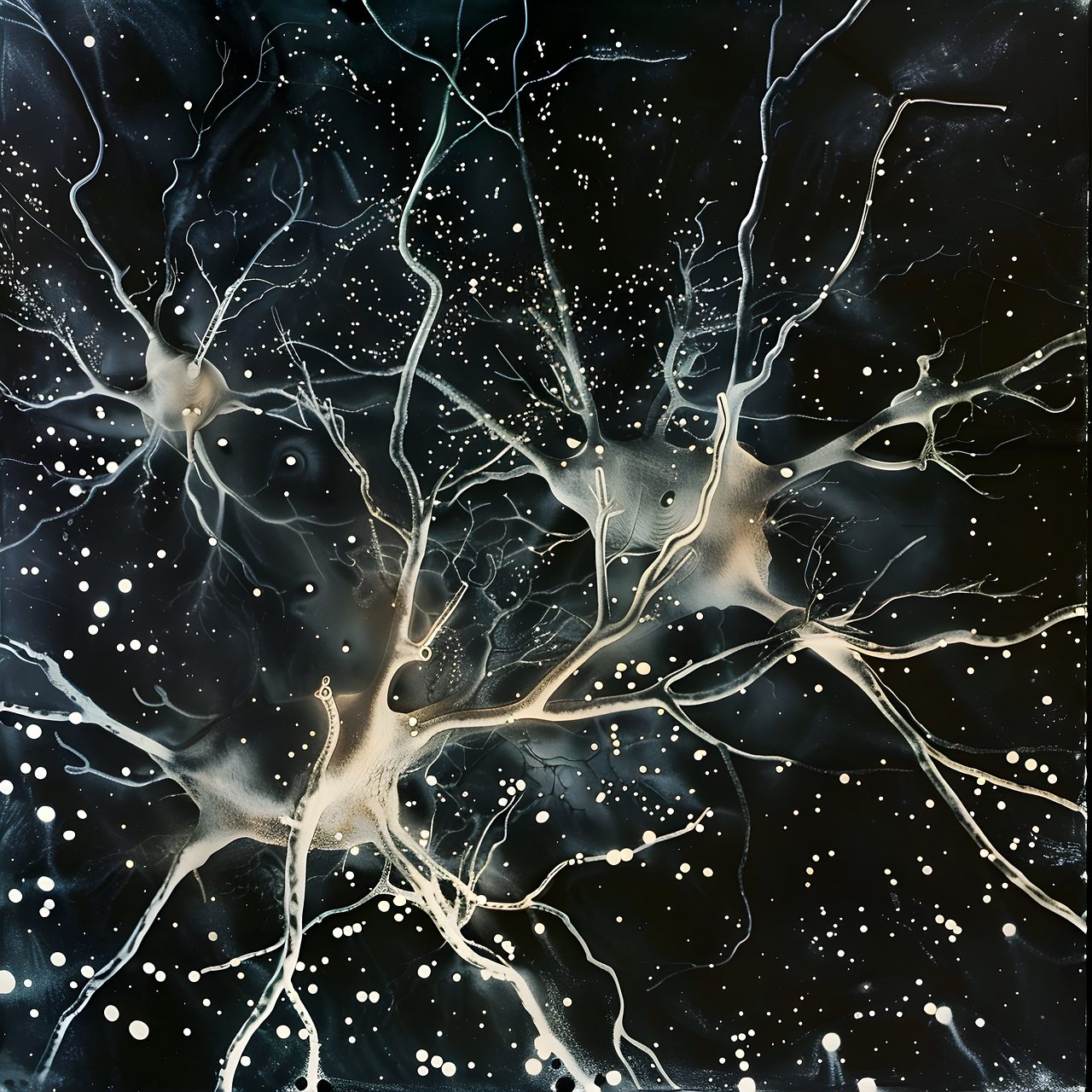
Medical researchers hypothesize that ketamine blocks somatic input, facilitating enhanced communication between the mid-brain and cerebral cortex. This increased connectivity may foster stronger connections between the limbic system (emotions) and prefrontal cortex (higher-level thinking) which could aid in processing traumatic events. The first study on ketamine's efficacy in depressed patients, conducted 18 years ago by Dr. Berman et al. from Yale University, using IV ketamine, demonstrated significant improvements in depressive symptoms. Subsequent trials have illustrated positive results in PTSD, anxiety, social anxiety disorder, fibromyalgia, and chronic pain management.
KETAMINE CAN BE A CATALYST FOR NEUROLOGICAL HEALING
- TO HELP PEOPLE REDISCOVER HAPPINESS & JOY

